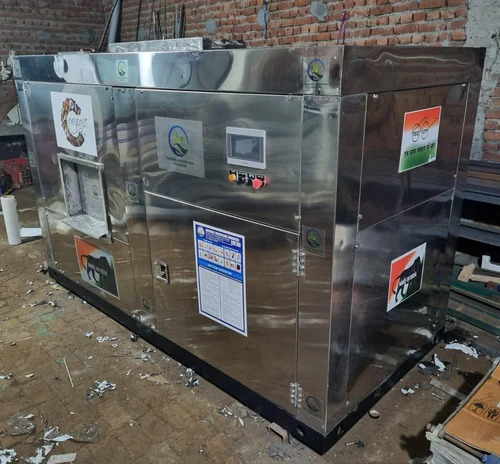
Fully Automatic Wet Waste Composting Machine About
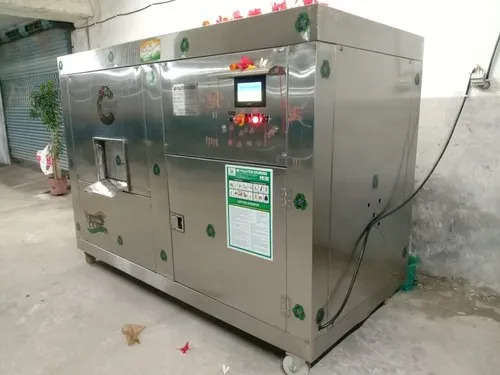
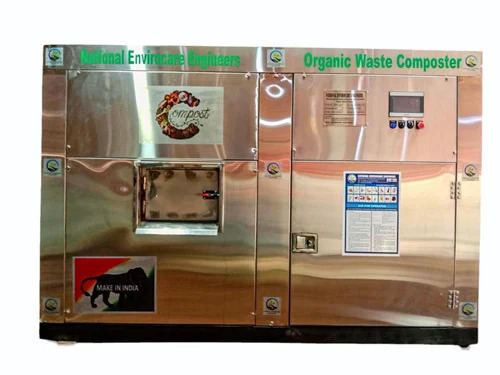
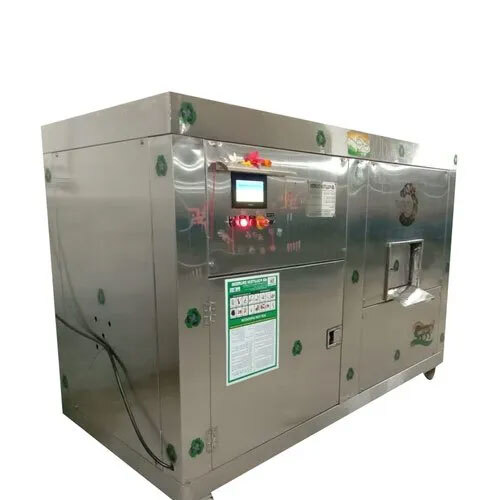
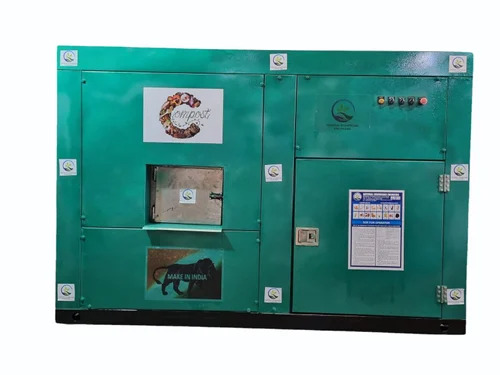
The Fully Automatic Wet Waste Composting Machine is a highly compact and fully automatic solution designed to convert all types of organic waste into nutrient-rich compost within 24-48 hours, achieving a volume reduction of 80-90%. The machine operates entirely through natural and biological processes, ensuring eco-friendly waste management. Equipped with an inbuilt shredder, a composting tank with humidity sensors, heater, mixing blades, moisture control system, and air ventilation, it guarantees efficient decomposition and optimal compost quality. This advanced system simplifies waste processing, making it ideal for households, institutions, and commercial establishments seeking rapid and sustainable compost production.
FAQ's of Fully Automatic Wet Waste Composting Machine:
Q: How does the fully automatic composting machine process organic wet waste?
A: The machine utilizes advanced electric mechanisms to efficiently decompose organic wet waste into compost using automated cycles, requiring minimal manual intervention and delivering rapid, high-quality results.
Q: What are the primary applications and industries suitable for this machine?
A: This machine is ideal for industrial facilities, large kitchens, commercial complexes, and municipal waste centers that generate substantial organic waste and require reliable, hygienic composting solutions.
Q: When can I expect delivery after making a purchase?
A: Typically, packing and dispatch are completed within 10-15 days, depending on the order volume and location within India. Our transport services ensure timely and safe delivery to your site.
Q: Where is this composting machine manufactured and supplied from?
A: The machine is manufactured and supplied from India by a reputed industrial equipment manufacturer, ensuring excellent build quality, warranty support, and after-sales service throughout the country.
Q: What are the benefits of using a fully automatic composting machine for wet waste?
A: The main benefits include streamlined operation, reduced manual labor, quicker composting cycles, efficient space management, compliance with environmental standards, and significant cost savings over traditional composting methods.




 Send Inquiry
 Send Inquiry

